Rift Wizard 3: Classless, Tactical Roguelike for Theorycrafters
Rift Wizard 3, developed by Dylan White, Khoops, and Jacob Martinez, casts you as an immortal amnesiac wizard exploring a hostile cosmic roguelike universe. The game emphasises turn-based tactical combat that demands planning and creative spell use across procedurally generated encounters. Key elements include a zero-class build model, deep crafting, and a distinct hand-drawn visual identity. It targets players who enjoy careful, theory-driven character construction and high-stakes, deliberative runs.
How Rift Wizard 3 positions itself compared to classic roguelikes
Where Dungeon Crawl Stone Soup often leans on archetypes, Rift Wizard 3 replaces class boundaries with an open spell sandbox, inviting players to design unusual combinations. The design places fights as tactical puzzles across a procedurally generated cosmos that spans multiple levels, so each portal route changes the strategic map. This emphasis on experimental setups alters decision weight: choices about positioning and spell sequencing determine success as much as raw stats.
Does the game reward build experimentation and creative combos?
Yes, the systems explicitly encourage inventive setups. Players can access a large catalog of options and combine items and spells for unexpected effects. Notable figures include:
- Over 500 unique spells
- About 400 spell upgrades
- More than 300 craftable items and artifacts
What does the game look and how does the interface support play?
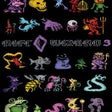
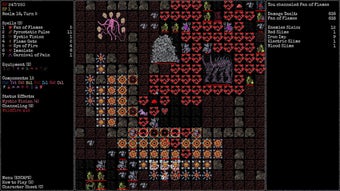
The presentation adopts a hand-drawn aesthetic inspired by 1970s animation and the work of Ralph Bakshi, which gives the game a personality distinct from pixel or high-fidelity 3D styles. The interface is built for mouse and keyboard on Windows, matching the turn-based combat that requires precise targeting and menu navigation. Visual clarity focuses on readable spell icons and artifact effects so tactical choices remain legible under pressure.
Is the difficulty curve appropriate and how does progression feel?
The title describes itself as hardcore and 'tough as nails', so players face permanent-death consequences for tactical mistakes. Progression does not follow class gates; instead, power grows through spell acquisition, upgrades, and crafted artifacts. That model rewards experimentation but offers little forgiveness for repeated errors, making the game best suited to players who accept steep, deliberate learning rather than casual drop-in sessions.
In summary, Rift Wizard 3 suits methodical players who enjoy high-stakes planning
Rift Wizard 3 is a demanding choice for players who appreciate careful, puzzle-like combat and open-ended build design, supported by a very positive reception on Steam and runs that typically last one to three hours. Expect a focused, sometimes unforgiving experience that rewards theory-crafting; casual players seeking low-commitment sessions may find the design too exacting.
.png)